Newsletter business ideas are ways to share your knowledge or passion through email. You can build an audience and even earn money from it. Simple ideas focus on niche topics that people care about.
Growing your list and providing value are key to success. You can start with very little cost.
What Makes a Good Newsletter Business Idea?
A good newsletter business idea starts with you. What do you love talking about? What problems can you help solve for others?
Think about your hobbies. Consider your job skills. What do friends always ask you about?
These are clues to a great topic. Your idea should also be something people want to read about. Is there an audience for it?
Are people searching for this information? If you love gardening, that’s a start. But what about gardening in small spaces?
Or growing herbs indoors? These are more specific. They help you stand out.
The best ideas have a clear focus. They don’t try to cover everything. A focused newsletter becomes an expert source.
Readers trust you more. They know what to expect. For example, a newsletter about movie reviews is okay.
A newsletter about horror movies from the 1980s is better. It’s specific. It attracts a dedicated group of fans.
This is how you build a loyal following. It’s also easier to create content when you have a tight focus.
Think about the audience. Who are you writing for? What are their interests?
What are their problems? When you know your audience, you can create content they will love. If you are writing about finance, are you talking to beginners?
Or are you talking to experienced investors? The language and topics will change. Knowing your audience helps you tailor your message.
It makes your newsletter more valuable to them.
Finally, consider if it can grow. Can you add more topics later? Can you offer new things?
A good idea has room to expand. But always start simple. Focus on one core topic first.
Prove that you can deliver value there. Then, think about growing. This approach helps you avoid feeling overwhelmed.
It keeps things manageable. It builds a strong foundation for your newsletter business.
My First Newsletter Try: A Learning Experience
I remember my very first attempt at a newsletter. It was years ago. I was really into home cooking.
I loved trying new recipes. I thought everyone would want to read about my kitchen adventures. I set up a simple email list.
Then I wrote about… well, everything I cooked. One week it was roast chicken. The next it was a complicated French pastry.
Then I’d write about a new gadget I bought.
I didn’t have a clear focus. My writing jumped around a lot. I was trying to share my enthusiasm.
But I think it was too much for readers. I didn’t get many subscribers. The ones I did get didn’t seem very engaged.
I felt a bit defeated. It seemed like a lot of work for little reward. I wondered if my idea was just bad.
Or maybe I wasn’t a good writer.
What I missed back then was focus. I was excited about so many things. But my readers only signed up for one thing.
They probably wanted recipes. Or maybe they wanted tips on baking. They didn’t want a random mix.
This experience taught me a big lesson. Specialization is powerful. It’s better to be the go-to person for one thing than a jack-of-all-trades for many.
I learned that connection comes from shared, specific interests.
Niche Idea Spotlight: The Urban Gardener
Who it’s for: City dwellers with limited space (balconies, windowsills).
What it offers: Tips on container gardening, growing herbs indoors, choosing compact plants, dealing with pests in small environments.
Why it works: Addresses a growing trend and specific challenges.
Popular Newsletter Niches to Consider
There are so many areas where people want to learn more. Finding a niche is about picking one that speaks to you. And that has an audience eager to listen.
Here are some popular areas that often do well.
For the Creative Soul
If you love making things, consider a creative niche. This could be anything from painting to knitting to digital art. People look for inspiration.
They want to learn new techniques. They enjoy seeing other people’s work. A newsletter could share weekly art prompts.
It might review art supplies. Or it could feature interviews with artists.
For example, a newsletter focused on watercolor techniques for beginners is a strong idea. It’s specific. It helps people learn a new skill.
You could share color mixing tips. You might show different brush strokes. A great angle is to focus on painting nature scenes.
This offers visual appeal and clear instructions.
For the Tech-Savvy
Technology changes fast. Many people feel overwhelmed. They want to understand new gadgets or software.
A newsletter can help. You could focus on smartphone tips. Or maybe it’s about productivity apps.
Even a newsletter about cybersecurity for everyday people is valuable.
Think about a newsletter that explains AI tools for small businesses. Many business owners are curious. They don’t know where to start.
This kind of newsletter can break down complex topics. It can show how to use AI to save time or make more money. It’s practical and timely.
For the Health and Wellness Enthusiast
Health is a big topic. People are always looking for ways to feel better. This could be about fitness.
It might be about healthy eating. Or it could be about mindfulness and stress relief. Newsletters in this space offer tips and guidance.
A niche like “Mindful Mornings” could be popular. It would offer short, daily practices. Maybe it’s a breathing exercise.
Or a short meditation. Or a journaling prompt. The goal is to help people start their day calmly.
This taps into the desire for peace in a busy world.
For the Home and Lifestyle Lover
People care about their homes. They want them to be comfortable and stylish. This includes home decor, organization, and DIY projects.
A newsletter could share weekly design ideas. Or it might offer tips for decluttering spaces.
Consider a newsletter focused on sustainable living at home. This is a growing interest. You could share tips on reducing waste.
Or on using eco-friendly cleaning products. You might even share simple DIY projects using recycled materials. This appeals to environmentally conscious readers.
For the Hobbyist
Whatever someone’s passion, there’s likely an audience. This is true for everything from board games to bird watching. A newsletter for coin collectors might share news about rare finds.
A newsletter for homebrewers could offer new beer recipes.
A newsletter for tabletop role-playing gamers is another idea. It could highlight new game systems. Or share adventure ideas.
It might review dice sets or gaming accessories. This kind of newsletter builds community. It connects people with shared interests.
Quick Scan: Newsletter Content Ideas
| Content Type | Description |
|---|---|
| Curated Links | Sharing interesting articles, tools, or resources you found. |
| How-To Guides | Step-by-step instructions for a specific task. |
| Personal Stories | Sharing your own experiences or lessons learned. |
| Interviews | Chatting with experts or interesting people in your niche. |
| Tips & Tricks | Quick, actionable advice readers can use. |
Crafting Your Content: What to Write About
Once you have your niche, the next step is deciding what to write. This is where you provide value. Think about what your readers need.
What questions do they have? What problems are they trying to solve? Your content should answer these needs.
Tutorials and How-Tos: People love learning how to do things. If you’re teaching photography, a newsletter could explain how to use different camera settings. It could show how to edit photos.
These are step-by-step guides. They are very practical. They help readers achieve a specific outcome.
Reviews and Recommendations: Are you an expert on a certain type of product or service? Share your knowledge. A book reviewer might share their top picks for the month.
A tech reviewer might compare two new smartphones. Be honest and thorough. Your readers trust your opinion.
Industry News and Insights: If your niche is a fast-moving field, people need to stay updated. You can become a curator of important news. Explain what it means for your readers.
For example, a newsletter for small business owners might cover changes in tax laws. It would explain how those changes might affect them.
Personal Stories and Case Studies: Sharing your own journey can be very powerful. It makes you relatable. It shows you understand their struggles.
If you’re teaching about entrepreneurship, share your own startup story. Include the good and the bad. What did you learn?
What would you do differently?
Lists and Roundups: People like easy-to-digest information. A list of “10 Best Ways to Save Money” is appealing. A roundup of “5 Great Tools for Freelancers” is also useful.
These formats are scannable. They offer quick value.
Behind-the-Scenes: For some niches, showing what goes on behind the curtain is fascinating. A chef might show how they prep for a busy night. A game developer might share their design process.
This builds connection. It gives readers a unique look.
Remember, the key is to be helpful. Every piece of content should serve your reader. Ask yourself: “Does this help my audience?” If the answer is yes, it’s likely good content.
Keep your content focused on your niche. Don’t stray too far. Consistency is important for building trust.
Building Your Audience: Getting Subscribers
Having a great newsletter idea and content is only half the battle. You need people to read it. Building an audience takes time and effort.
But there are effective ways to grow your subscriber list.
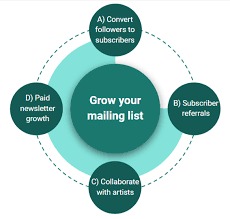
Offer a Lead Magnet: This is something valuable you give away for free in exchange for an email address. It could be an ebook, a checklist, a template, or a mini-course. It must be relevant to your niche.
For a gardening newsletter, a “Top 5 Easiest Vegetables to Grow” guide could work well. This gives people a reason to sign up.
Website Integration: If you have a website or blog, make it easy for visitors to subscribe. Place signup forms prominently. Use pop-ups (but not too many!).
Have a dedicated signup page. Make the benefits of subscribing clear.
Social Media Promotion: Share snippets of your newsletter content on social media. Mention your newsletter in your bio. Run contests or giveaways that require email signups.
Engage with potential subscribers in relevant online groups.
Guest Posting and Collaborations: Write guest posts for other blogs in your niche. Include a link back to your signup page. Collaborate with other newsletter creators for cross-promotion.
This introduces you to new audiences.
Word-of-Mouth: Encourage your current subscribers to share your newsletter. Make it easy for them to forward emails or share links. Happy readers are your best advertisers.
SEO for Your Newsletter: While you can’t directly SEO your email content, you can SEO your signup page or landing page. Use relevant keywords. Make it clear what your newsletter is about.
This helps people find you when they search.
Be patient. Growing an audience doesn’t happen overnight. Focus on providing consistent value.
Your subscribers will grow over time. Look at what works. Track your subscriber sources.
Double down on the methods that bring you the most engaged readers.
Split Insight: Growing Your List
Strategy: Offer Value Upfront
Note: A compelling freebie (lead magnet) is crucial. It shows what kind of quality content subscribers can expect.
Strategy: Be Visible
Note: Your signup forms need to be easy to find everywhere you have an online presence.
Strategy: Leverage Others
Note: Collaborating with others introduces you to their audience, a fast track for growth.
Monetizing Your Newsletter: Making Money
Once you have a growing and engaged audience, you can start thinking about making money. There are several popular ways to monetize a newsletter.
Paid Subscriptions
This is straightforward. Readers pay a recurring fee (monthly or yearly) to access your newsletter. This works best when you provide exclusive, high-value content that people can’t get elsewhere.
Think in-depth analysis, premium research, or exclusive community access.
Many platforms like Substack and Ghost make this easy. You can offer a free tier to build an audience. Then, you can introduce a paid tier for premium content.
This creates a direct revenue stream.
Sponsorships and Advertising
Companies often want to reach specific audiences. If your newsletter has a dedicated readership in a particular niche, businesses may pay to advertise. This could be through dedicated sponsored emails or mentions within your regular content.
You’ll need a decent number of subscribers for this to be lucrative. Be selective about sponsors. Only partner with brands that align with your values and your audience’s interests.
This maintains trust.
Affiliate Marketing
You recommend products or services to your readers. When they purchase through your unique affiliate link, you earn a commission. This is common in niches like tech, books, and lifestyle products.
Be transparent about affiliate links. Your readers should know you’re earning a commission. Only recommend products you genuinely believe in.
Authenticity is key.
Selling Your Own Products or Services
Your newsletter can be a great platform to sell your own offerings. This could be digital products like courses, ebooks, or templates. It could also be physical products or services like coaching or consulting.
Your newsletter acts as a direct line to interested customers. You can nurture leads and build relationships. Then, you can make relevant offers.
This often yields the highest profit margins.
Donations
Some creators simply ask for reader support. Platforms like Patreon or Buy Me a Coffee allow readers to contribute financially. This works best for newsletters with a strong community feel or a mission-driven purpose.
It’s important to note that monetization takes time. Focus on building value and an engaged audience first. The money will follow.
Don’t rush the process. Start with one or two monetization methods that feel right for your niche and audience.
Contrast Matrix: Monetization Approaches
| Approach | Best For | Requires |
|---|---|---|
| Paid Subscriptions | Exclusive, high-value content | Dedicated, loyal audience |
| Sponsorships | Niche audience with purchasing power | Significant subscriber count |
| Affiliate Marketing | Trustworthy product recommendations | Engaged readers who trust your advice |
| Selling Own Products | Creator with existing offerings | Understanding of audience needs |
Choosing the Right Tools for Your Newsletter
You don’t need fancy tools to start. Many free or low-cost options are available. The most important part is the email service provider (ESP).
This is what sends your emails.
Mailchimp: A popular choice for beginners. It has a free plan for smaller lists. It’s user-friendly.
It offers basic automation features.
ConvertKit: Designed specifically for creators. It’s great for selling digital products. It offers powerful automation.
It can be more expensive but offers more features for serious creators.
Substack: This platform is all-in-one. It handles writing, sending, and paid subscriptions. It’s very easy to use.
It takes a percentage of your earnings if you use their paid feature.
MailerLite: Another good option with a generous free plan. It’s known for its ease of use and good customer support.
When choosing, think about your budget. Consider your technical skill. How many subscribers do you expect?
What features do you need (like automation or e-commerce)? Start with a free option. You can always upgrade later as your newsletter grows.
What This Means for Your Newsletter Journey
Starting a newsletter business doesn’t require a huge investment or a complex plan. It starts with a simple idea. It’s about sharing something you care about.
It’s about connecting with people who share that interest.
The path is clearer when you focus. Pick a niche. Understand your audience’s needs.
Create content that helps them. Grow your list steadily. And then, explore ways to earn money.
Don’t be afraid to experiment. My first newsletter failed because I didn’t focus. But that failure taught me valuable lessons.
Your journey will have its own learning moments. Embrace them. They will make you stronger.
The key takeaway is that value creation is paramount. When you consistently provide value to your readers, they will stick around. They will become loyal fans.
They might even become customers.
When Is It Time to Worry About Your Newsletter?
Most of the time, you shouldn’t worry too much. Starting and growing takes time. But there are a few signs that might mean something needs a closer look.
If your subscriber list is shrinking rapidly, that’s a signal. It means people are unsubscribing faster than you’re gaining them. This could point to content that isn’t hitting the mark.
Or maybe you’re sending emails too often.
Another sign is very low open rates. If fewer than 10-15% of your subscribers are opening your emails, it’s a problem. Your subject lines might not be engaging.
Or your audience might not be interested in your topic anymore. It could also mean your emails are landing in spam folders.
Low click-through rates are also important. If people open your emails but don’t click on any links, they aren’t finding your content compelling enough. They aren’t taking the next step you want them to take.
If you’re trying to monetize and not seeing any results, that might be a concern. It could mean your offers aren’t right for your audience. Or you haven’t built enough trust yet.
These aren’t reasons to give up. They are signals to investigate. Look at your data.
Talk to your audience. See where you can improve. Small tweaks can often make a big difference.
Quick Tips for Newsletter Success
Here are some fast tips to keep in mind:
- Be consistent: Send your newsletter on a regular schedule.
- Focus on your subject line: Make it interesting and clear.
- Keep it simple: Use short sentences and easy words.
- Proofread carefully: Errors can hurt your credibility.
- Engage with replies: Respond to your readers when they write back.
- Analyze your stats: See what content performs best.
- Don’t buy lists: Always grow organically.
- Have a clear call to action: Tell readers what you want them to do.
Frequent Questions About Newsletter Business Ideas
What is the easiest newsletter business to start?
The easiest newsletter to start is often one based on a hobby or passion you already have. Think about what you love talking about. Curating content or sharing personal experiences in that area is a great starting point.
For example, a newsletter about local hiking trails or a favorite book genre.
How many subscribers do I need before I can make money?
This varies a lot. Some people start making money with just a few hundred engaged subscribers by selling their own products. For sponsorships, you might need a few thousand.
The key is not just the number, but how engaged your audience is and how well your monetization method fits your niche.
Can I have a newsletter about my job?
Yes, absolutely! If you have specialized knowledge from your job, you can create a newsletter around it. For instance, if you’re a graphic designer, you could share design tips or trends.
If you work in finance, you could explain financial concepts. Just make sure you’re not sharing confidential company information, of course.
What if my niche is too small?
A small niche can actually be an advantage. It means your audience is highly targeted and likely very passionate. This can lead to higher engagement and loyalty.
Focus on serving that specific audience exceptionally well. You might find you can charge more for premium content or products because the audience is so dedicated.
How often should I send my newsletter?
Consistency is more important than frequency. Many newsletters do well weekly or bi-weekly. Some successful ones are monthly.
Choose a schedule you can realistically stick to. Sending an email every week on Tuesday is better than sending one every day for a week and then disappearing for a month.
Is it hard to get people to open my emails?
It can be challenging, but good subject lines are your best tool. Make them clear, intriguing, and relevant to the content inside. Also, ensure your content consistently delivers on the promise of your subject line.
Building trust over time also helps; readers learn to expect good content from you.
Conclusion: Your Newsletter Adventure Begins
Starting a newsletter is a journey of sharing your unique voice. It’s about building connections. It’s about providing value.
With a clear idea and consistent effort, you can create a successful newsletter business. Take the first step today. Your future readers are waiting!