To start a paid newsletter, choose a niche, pick a platform, set your price, create valuable content, and promote your subscription. Focus on building a loyal community that finds your insights worth paying for.
What Is a Paid Newsletter?
A paid newsletter is like a private club for your readers. You send them emails regularly. These emails have special content.
It’s not free stuff. People pay money to get it. Think of it as a subscription.
They pay a fee. This fee lets them read your premium articles. They might get exclusive tips.
Or they could access a special community. It’s a way to earn money from your writing. You share your knowledge directly.
Your readers get unique value.
Why would someone pay? They want something they can’t find elsewhere. Maybe it’s your deep expertise.
It could be your unique viewpoint. Or perhaps it’s content tailored just for them. Paid newsletters build a direct connection.
You don’t rely on ads. You don’t depend on social media likes. Your income comes from your subscribers.
They are your true fans. They invest in what you offer. This model supports focused, high-quality content.
My Own Paid Newsletter Journey
I remember staring at my screen. My first paid newsletter was just an idea. I had been writing about gardening for years.
I shared tips on my blog. People liked it. But I wanted more.
I wanted to dive deeper. I wanted to share my secrets. Secrets about growing the best tomatoes.
Secrets about beating common garden pests. I thought, “What if people paid for this?”
The thought scared me. Would anyone actually open their wallet? I pictured crickets.
I imagined no subscribers. My friend, Sarah, told me, “Just try it. Start small.” So, I did.
I picked a name. I chose a simple platform. I decided on a low price.
I wrote my first issue. It felt nerve-wracking. But then, a few people signed up.
One said, “This is exactly what I needed!” That was it. That one comment fueled me. It showed me the path.
Choosing Your Newsletter’s Focus
Your newsletter needs a home. What will you talk about? This is your niche.
Think about what you love. What do you know a lot about? What do you enjoy sharing?
Maybe you love cooking. Perhaps you’re great at coding. Or maybe you’re passionate about vintage cars.
Your niche should be specific. “Food” is too broad. “Quick Weeknight Vegan Meals” is better.
“Learning Python for Data Science Beginners” is also good.
Why does this matter? A clear focus attracts the right people. They know what to expect.
They won’t be surprised. This helps build trust. It also makes marketing easier.
You know who to talk to. You know where to find them. Don’t pick something just for money.
Pick something you care about. Your passion will shine through. It will keep you going.
It will keep your readers engaged.
Consider these questions:
- What problems can you solve for people?
- What unique skills or experiences do you have?
- What topics do you find yourself talking about constantly?
- Are there communities already interested in this topic?
Key Steps to Define Your Niche
1. Brainstorm Interests: Write down everything you like. List hobbies, skills, and passions.
2. Identify Expertise: Which of these do you know a lot about? Where do others ask you for advice?
3. Check for Demand: Are people searching for this topic? Look at forums and social media.
4. Find Your Angle: What makes your perspective special? Can you be more specific than others?
Picking the Right Platform
Now, where will your newsletter live? You need a tool. This tool sends emails.
It also handles payments. There are many options. Some are simple.
Others are very powerful.
Here are popular choices:
- Substack: Very popular. Easy to start. Handles writing, payments, and community. Good for beginners.
- MailerLite: Offers free plans. Good for growing lists. More control over design.
- ConvertKit: Built for creators. Great automation. Good for selling courses too.
- Ghost: Open-source. More technical. You host it yourself or pay for hosting.
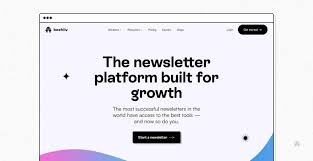
- Beehiiv: Newer option. Focuses on growth tools. Good for larger newsletters.
For starting out, Substack is often the easiest. You can focus on content. It takes care of the technical stuff.
As you grow, you might switch. But to begin, pick one and go. Don’t get stuck choosing.
The best platform is the one you use.
Deciding Your Pricing
This is where it gets real. How much will you charge? There’s no single right answer.
It depends on your value. It depends on your audience.
Think about:
- Your content’s depth: Are you sharing quick tips or in-depth analysis?
- Your audience’s budget: Are they students or professionals?
- Competitor pricing: What do similar newsletters charge?
- Your time commitment: How much work goes into each issue?
You can offer tiers. A basic tier might give access to everything. A premium tier could include Q&A sessions.
Or maybe one-on-one advice. Yearly plans often get a discount. This encourages commitment.
It helps your cash flow.
Many start with a monthly fee. It could be $5, $10, or $20. Some offer a free version first.
Then they have a paid upgrade. This lets people sample your work. They can see the value before paying.
Pricing Models to Consider
Flat Monthly Fee: Simple and direct. E.g., $10/month for all content.
Annual Discount: Encourages long-term commitment. E.g., $100/year (save $20).
Tiered Access: Different prices for different levels of content or interaction. E.g., Basic ($5/mo), Premium ($15/mo with live calls).
Freemium: Offer some content for free, with an upgrade option for more.
Crafting Irresistible Content
This is the heart of your newsletter. Your content must be great. It needs to be worth paying for.
What makes content valuable?
- Uniqueness: Share your personal insights. Offer a perspective others don’t have.
- Actionability: Give readers tips they can use right away. Help them achieve goals.
- Depth: Go beyond surface-level information. Provide thorough analysis.
- Consistency: Send your newsletter on a regular schedule. Build reader habits.
- Clarity: Write in simple, easy-to-understand language. Avoid jargon.
Think about your ideal reader. What are their biggest challenges? What are their hopes?
Write directly to them. Imagine you are talking to one person. Be helpful.
Be inspiring. Be informative.
Here’s a simple structure for an issue:
- Catchy Subject Line: Make them want to open it.
- Personalized Greeting: “Hi ,”
- Main Content: Your core insights or story.
- Call to Action (Optional): Ask a question. Link to a resource.
- Sign-off: Your name or brand.
I once read a newsletter about coffee. The writer described the smell of beans roasting. He explained how different beans tasted.
It wasn’t just facts. It was an experience. I felt like I was there.
That kind of writing makes you subscribe. It makes you feel connected.
Promoting Your Newsletter
You’ve built it. Now you need readers. How do you tell people it exists?
Start with where you already are:
- Your existing audience: If you have a blog, social media, or email list, announce it there.
- Social Media: Share snippets. Post teasers. Use relevant hashtags.
- Guest Posting: Write for other blogs in your niche. Link to your newsletter sign-up.
- Collaborations: Partner with other creators. Cross-promote each other’s work.
- Word of Mouth: Encourage your current subscribers to share. Offer referral bonuses.
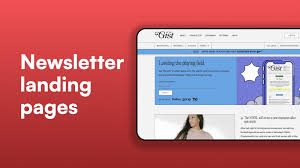
Make it easy to sign up. Have clear links. Use simple landing pages.
Tell people exactly what they’ll get. Focus on the benefits. Don’t just say “Subscribe to my newsletter.” Say, “Get weekly tips to grow your tomatoes” or “Unlock expert trading strategies.”
Quick Promotion Checklist
Website: Add a clear sign-up form and link.
Social Media Bios: Update your links to point to your newsletter.
Content Teasers: Share short, engaging snippets on platforms like X or Instagram.
Engage Online: Participate in communities where your audience hangs out. Mention your newsletter when relevant and helpful.
Email Signature: Include a link to your sign-up page.
Building a Community Around Your Newsletter
A paid newsletter is more than just emails. It’s a community. People want to feel part of something.
They want to connect with others. They want to connect with you.
How can you foster this?
- Respond to replies: When people email you back, answer them. Show you care.
- Ask questions: Encourage readers to share their thoughts.
- Create a dedicated space: Some platforms let you build private forums or chat groups.
- Host live Q&As: Offer real-time interaction. This adds huge value.
- Feature reader stories: Highlight contributions or successes from your community.
When I started my gardening newsletter, I asked readers about their biggest weed problems. The responses flooded in! We shared solutions.
People felt heard. They felt connected. It wasn’t just me talking at them.
We were learning together. This makes people stick around. They become loyal supporters.
Measuring Success and Growing
How do you know if it’s working? Look at the numbers. But also look beyond them.
Key metrics:
- Subscriber growth: How many new people are joining?
- Open rates: What percentage of people open your emails?
- Click-through rates: How many people click links in your emails?
- Conversion rates: How many free subscribers become paid?
- Churn rate: How many people stop subscribing?
These numbers tell a story. A low open rate might mean your subject lines aren’t working. A high churn rate could mean your content isn’t valuable enough.
Or maybe your price is too high.
Don’t obsess over every number. Focus on providing value. Listen to your audience.
Ask for feedback. Try new things. Experiment with content.
See what resonates. Growth takes time. Be patient.
Celebrate small wins. A new paid subscriber is a big deal!
Understanding Your Metrics
Subscriber Count: The total number of people signed up.
Open Rate: Percentage of recipients who opened your email. Aim for 30%+
Click-Through Rate (CTR): Percentage of recipients who clicked a link. Aim for 2-5%+
Conversion Rate: Percentage of free trials or free subscribers who become paid.
Unsubscribe Rate: Percentage of recipients who opt-out. Keep this low.
Common Pitfalls to Avoid
Starting a paid newsletter is rewarding. But it’s not always smooth sailing. Watch out for these common mistakes:
- Not having a clear niche: Trying to cover too much confuses readers.
- Inconsistent posting: Sporadic emails break trust and habit.
- Low-value content: Charging money for free information won’t last.
- Ignoring subscriber feedback: Your readers are your best guide.
- Giving up too soon: Building an audience takes time and persistence.
- Overcomplicating the tech: Start simple. Worry about fancy features later.
I learned the hard way about inconsistency. I missed a week once. I got emails asking, “Where’s the newsletter?” It showed me people missed it.
They relied on it. It made me more committed. I now treat it like a job.
A fun, fulfilling job.
When is it Time to Go Paid?
You might be wondering, “When should I make the leap?” It’s a personal decision. But here are some signs:
- You have a growing, engaged audience: People regularly interact with your free content. They ask for more.
- You’re creating unique value: You have insights or information others need.
- You’re passionate and committed: You enjoy creating this content. You’re ready for the ongoing effort.
- You see a need: You notice a gap in the market that your newsletter can fill.
- You want a direct income stream: You want to build a business around your expertise.
Don’t wait until everything is perfect. Perfection is the enemy of done. Start when you feel ready.
You can always adjust. You can improve as you go. The most important thing is to start.
Frequently Asked Questions
What is the best platform for a beginner paid newsletter?
For beginners, Substack is often recommended. It’s very user-friendly. It handles all the technical aspects of payments and delivery.
This lets you focus on writing.
How often should I send my paid newsletter?
Consistency is key. Many successful paid newsletters send weekly or bi-weekly. Choose a schedule you can realistically maintain.
Your readers will come to expect it.
What kind of content works best for paid newsletters?
Content that offers unique insights, actionable advice, in-depth analysis, or exclusive access performs well. Think about what your audience can’t easily find elsewhere.
Can I offer a free version and a paid version?
Yes, absolutely. This is a common and effective strategy called “freemium.” You can offer some content for free to attract subscribers, then upsell them to a paid tier for more exclusive content or features.
How do I get my first paid subscribers?
Start by promoting to your existing audience on social media, blogs, or other email lists. Offer clear value propositions explaining what paid subscribers receive. Consider offering an early-bird discount.
Is it hard to manage payments and taxes for a paid newsletter?
Platforms like Substack handle payment processing. You’ll need to track your income for tax purposes. Consult with a tax professional to understand your obligations in the U.S.
Final Thoughts on Starting Your Newsletter
Starting a paid newsletter is a journey. It’s about sharing your voice. It’s about connecting with people.
It’s about building something meaningful. Don’t let fear hold you back. Start small.
Be consistent. Focus on value. Your unique perspective matters.
People are looking for it. They are willing to pay for it. Take that first step.
Your readers are waiting.