Ever stared at a blank screen, trying to make your newsletter words sparkle? You know your news is important, but getting people to actually read it feels like a puzzle. It’s tough when you’re sending out emails, hoping they land and stick.
You want your message to be seen, to be remembered, and to make a difference. Let’s break down how to make that happen.
This guide focuses on creating newsletters that your readers look forward to. It covers how to write with clarity and personality, structure your content for easy reading, and use simple words to reach everyone. You will learn to craft messages that people want to open and engage with, turning passive readers into active fans.
What Makes a Newsletter Engaging?
An engaging newsletter is like a good chat with a friend. It’s interesting, easy to follow, and makes you feel something. It doesn’t just dump information; it shares it in a way that matters to the reader.
Think about what makes you stop and read something online. It’s usually a mix of helpfulness, a friendly tone, and clear ideas. Nobody likes wading through long, boring sentences.
They want to get the main point fast. They want to feel understood. They want to be entertained or informed quickly.
So, what’s the secret sauce? It’s about understanding your audience. What do they care about?
What problems can you help them solve? What stories will grab their attention? When you answer these questions, your writing becomes a magnet.
It pulls people in. It makes them want to click. It makes them want to come back for more.
This is the heart of an engaging newsletter. It’s built on connection, not just content delivery. It’s about giving people value in a way they can easily enjoy.
This means less jargon and more common sense. It means shorter sentences and clearer calls to action. It means telling stories that resonate.
It means being human on the page. When you focus on these things, your newsletter stops being just another email in the inbox. It becomes a welcome message.
It becomes a trusted source. It becomes a conversation starter. And that’s how you build a loyal following.
That’s how you make your words work for you.
My Own Newsletter Struggles
I remember when I first started sending out my own newsletter. I thought I just had to list all the latest company news. I spent hours writing about product updates and industry trends.
I used big words because I thought it sounded professional. I wrote long paragraphs, hoping to cover everything thoroughly. But the open rates were terrible.
The click-through rates were even worse. It felt like I was shouting into the void. Nobody was listening.
I felt so frustrated. It was like all my effort was going to waste.
One day, I was complaining to a friend who runs a successful online shop. She listened patiently, then asked me a simple question: “What would you want to read if you got this email?” That stopped me cold. I realized I wasn’t thinking about my readers at all.
I was only thinking about what I wanted to say. I was so focused on showing off my knowledge that I forgot to be helpful or interesting. I had a pile of dry facts, not a compelling story.
I was missing the human touch. That night, I threw out most of my planned content. I started thinking about my readers’ lives.
What were their daily challenges? What made them laugh? What made them curious?
It took time, but I slowly learned to shift my focus. I started using simpler language. I broke up my sentences.
I told personal stories about my own experiences, including my mistakes. I used humor. I asked questions.
It was scary at first. I worried I sounded too casual. But the change was amazing.
My open rates jumped up. People started replying to my emails, sharing their own thoughts. They felt like they knew me.
They felt like they were part of something. This experience taught me that connecting with your audience is key. It’s not about showing off; it’s about sharing value in a way that feels natural and human.
Simple Words, Big Impact
Using everyday language is crucial. Think about the words you use when you talk to friends. Those are the best words for newsletters.
Avoid words like “synergize,” “paradigm,” or “optimize.” Instead, try “work together,” “way of thinking,” or “make better.” Shorter words are easier for everyone to understand. They make your message clear and friendly. This helps your readers connect with you quickly.
It shows you respect their time and intelligence.
Understanding Your Audience’s Needs
Before you write a single word, pause. Think about who is signing up for your newsletter. Are they busy parents?
Are they tech enthusiasts? Are they small business owners? Each group has different needs and interests.
What problems do they face every day? What are their biggest dreams or goals? What kind of information do they find most useful?
For instance, if you’re sending a newsletter about gardening, your audience might want tips on how to grow tomatoes. They might also want to know about dealing with pests. They probably don’t want a long history of ancient farming techniques.
They want practical advice they can use right now. Keep their daily lives in mind. What time of day are they most likely to check their email?
What devices do they use? These small details can shape how you write and what you include.
If you know your audience loves quick tips, offer a “Tip of the Week.” If they appreciate deeper dives, offer a longer story or a case study. The key is to be relevant. Your content should feel like it was made just for them.
This builds trust. It makes them feel seen and heard. When readers feel understood, they are much more likely to engage with your content.
They become loyal subscribers.
Crafting a Compelling Subject Line
The subject line is your first handshake. It’s the first impression you make. If it’s boring, your email will likely be ignored.
Think of it as a mini-advertisement for your newsletter. It needs to be interesting enough to make someone click. What’s inside that’s worth their time?
Try asking a question. For example, “Struggling with Meal Prep?” is better than “Weekly Recipes.” Use words that create curiosity. “The Secret to Perfect Sourdough” is more enticing than “Baking Tips.” You can also create a sense of urgency or exclusivity.
“Last Chance for Our Summer Sale!” or “A Special Offer Just for You.” Just be honest. Don’t promise something you don’t deliver.
Personalization can also work wonders. Using the subscriber’s name can make the subject line feel more direct. “John, Your Weekly Update Is Here.” Keep it short.
Most people read subject lines on their phones. Long ones get cut off. Aim for under 50 characters if possible.
Test different subject lines to see what works best for your audience. What makes them open the email? Pay attention to those results.
Subject Line Ideas
Curiosity: “Did You See This Amazing Trick?”
Benefit-driven: “Save Time This Week With These Tips”
Urgency: “Don’t Miss Out! Offer Ends Soon.”
Personalization: “Sarah, Your Special Discount is Here.”
Question: “Are You Making This Common Mistake?”
Structuring Your Newsletter for Easy Reading
Once someone opens your email, you need to make it easy for them to read. Long blocks of text are a big turn-off. Think of your newsletter as a magazine.
It has different sections with clear headings. This helps readers scan and find what interests them most.
Start with a strong introduction. This should grab their attention right away. What is the main point of this newsletter?
Why should they care? Then, break down the rest of your content into short, digestible pieces. Use headings and subheadings to guide the reader.
Each paragraph should focus on one main idea. Aim for two to three sentences per paragraph. This creates visual breathing room.
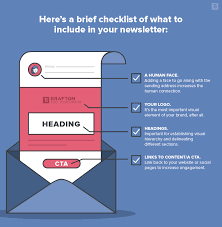
Use bullet points or numbered lists for key information. For example, if you’re listing tips, bullets are perfect. They make the information easy to scan and remember.
Bold key phrases or sentences to draw attention. This helps readers quickly grasp the most important takeaways. Always consider how the newsletter will look on a mobile device.
Most people check emails on their phones, so keep it mobile-friendly.
Quick Scan Elements
Headings: Use clear, descriptive headings.
Short Paragraphs: Max 2-3 sentences each.
Bullet Points: Great for lists and tips.
Bold Text: Highlight important words or phrases.
White Space: Lots of empty space makes reading easier.
The Power of Storytelling
People connect with stories. They remember them long after they forget facts. Your newsletter can be a powerful storytelling tool.
Instead of just stating a fact, tell a brief story that illustrates it. This makes your message more relatable and memorable.
Think about your own experiences. Have you faced a challenge that your product or service helped you overcome? Share that story.
Have you seen a customer achieve something great? Tell their success story. Even a short anecdote can make a big impact.
It shows the human side of your brand or message.
When telling a story, include a few key elements. Set the scene. Introduce a problem or a goal.
Describe what happened. Then, explain the outcome. Make sure it’s relevant to your audience.
A story about a gardener saving their prized roses is great for a gardening newsletter. It’s not so relevant for a finance newsletter.
Don’t be afraid to show vulnerability. Sharing a mistake you made and what you learned can be very powerful. It makes you seem more human and trustworthy.
It shows your audience that you are real. This builds a stronger connection than a perfect, polished facade ever could.
Storytelling Checklist
Relatable Character: Someone your readers can connect with.
Clear Conflict/Goal: What is the challenge or aim?
Setting: Where and when does it happen?
Plot Progression: What happens step-by-step?
Resolution: What is the outcome? What was learned?
Adding Personality and Tone
Your newsletter should sound like you. Or, it should sound like your brand. If your brand is fun and quirky, let that shine through.
If it’s more serious and professional, that’s okay too. The key is consistency and authenticity.
Using a conversational tone is usually best. Imagine you’re talking to one person. Use “you” and “I” or “we.” Avoid stiff, formal language.
Injecting a little bit of your personality can make your newsletter stand out. This could be through humor, a specific way of phrasing things, or sharing personal insights.
Consider your audience. What tone will resonate best with them? A newsletter for teenagers might be very different from one for retirees.
But even with a more formal brand, you can still be engaging. You can be clear, direct, and show a genuine interest in your readers.
Don’t be afraid to experiment. Try using a few emojis if it fits your brand. Share a lighthearted observation.
The goal is to make your newsletter feel less like a marketing blast and more like a friendly update. This human connection is what keeps people coming back.
Tone Check: Ask Yourself
Does it sound like a real person talking?
Is it easy to understand?
Does it reflect my brand’s personality?
Would I enjoy reading this?
Calls to Action (CTAs) That Work
What do you want your readers to do after reading your newsletter? Do you want them to visit your website? Buy a product?
Share your article? This is your call to action, or CTA. It needs to be clear and obvious.
Use action verbs. Words like “Learn,” “Shop,” “Discover,” “Download,” or “Sign Up” are effective. Make your CTA stand out visually.
Use a button or a prominent link. Don’t bury it in a paragraph. Tell people exactly what will happen when they click.
“Click here to shop our new arrivals” is better than just “Shop.”
Keep it simple. Usually, one or two clear CTAs per newsletter are enough. Too many choices can overwhelm readers.
They might not do anything at all. Focus on the most important action you want them to take. Make it easy for them to take that step.
Consider the context. If you’ve just told a compelling story about a problem, your CTA could be to learn more about the solution. If you’ve announced a new product, your CTA should be to view or buy it.
Always connect your CTA to the content that came before it. This makes the transition feel natural.
Effective CTA Examples
Learn More: “Discover Our Top Tips”
Shop Now: “Browse the New Collection”
Download: “Get Your Free Guide Today”
Sign Up: “Join Our Community”
Watch: “See How It Works”
Using Visuals Wisely
While this guide is text-based, remember that in a real newsletter, visuals matter. Images, GIFs, and even short videos can break up text and make your newsletter more appealing. They can help tell your story and illustrate your points.
However, don’t overdo it. Too many images can slow down loading times. They can also make your newsletter look cluttered.
Choose high-quality visuals that add value. Make sure they are relevant to your content. A beautiful photo of a garden can enhance a gardening tip.
A confusing or irrelevant image can distract.
Always consider accessibility. Add alt text to your images. This is a description of the image that is read aloud by screen readers.
It ensures that visually impaired readers can still understand the content. Also, ensure your visuals are optimized for web use. Large image files can frustrate readers and hurt your email deliverability.
Test how your newsletter looks on different devices and email clients.
Visuals Best Practices
Relevance: Images should support your message.
Quality: Use clear, professional images.
Optimization: Keep file sizes small.
Alt Text: Describe images for accessibility.
Balance: Don’t let visuals overpower text.
Testing and Refining Your Approach
Writing an engaging newsletter is not a one-time task. It’s an ongoing process of learning and improving. You need to pay attention to how your readers are responding.
Most email marketing platforms offer analytics. These tell you your open rates (how many people opened your email) and click-through rates (how many people clicked on links). Look at these numbers.
What subject lines get the most opens? What content gets the most clicks? What CTAs are most effective?
A/B testing is a powerful tool. Send two versions of your newsletter to different segments of your audience. Change one element, like the subject line or a CTA button.
See which version performs better. This data-driven approach helps you make informed decisions about what your audience truly wants.
Don’t be afraid to try new things. Maybe experiment with a different content format. Perhaps try a Q&A section.
Or share a behind-the-scenes look at your work. The goal is to keep your newsletter fresh and exciting. Your readers will appreciate the effort you put into making it valuable for them.
Continuous improvement is the secret to long-term engagement.
When Is It Normal to Have Low Engagement?
It’s very normal for newsletters to have varied engagement. Not every email will be a blockbuster. Some topics naturally appeal to more people than others.
If you’re sending out a niche technical update, fewer people might click than on a general interest story. That’s okay. It doesn’t mean you’re failing.
Also, consider the time of year or current events. People are often busier around holidays. Their attention might be elsewhere.
Your engagement might dip during these times. This is a temporary phase. It usually bounces back.
The sheer volume of emails people receive daily is another factor. Your newsletter is competing with hundreds of others. Sometimes, readers are just overwhelmed.
They might skim, or they might save it for later and forget. This is a common challenge for all newsletter creators. It’s why clarity and a strong hook are so important.
Finally, if you’ve recently changed your content strategy, it might take time for readers to adjust. New approaches can sometimes see initial dips before picking up steam. Patience and consistent effort are key.
Focus on providing consistent value, and engagement will grow over time.
When Should You Worry About Newsletter Engagement?
While some dips are normal, there are times when you should pay closer attention. A significant and consistent drop in open rates or click-through rates is a red flag. If your open rates suddenly drop by half and stay there, that’s concerning.
It suggests a problem with your subject lines, your sending reputation, or your audience’s interest.
Another sign is a high unsubscribe rate. If many people are actively opting out, it means your content isn’t meeting their expectations. They might feel it’s irrelevant, too frequent, or not valuable.
This is a clear signal that something needs to change.
A lack of replies or comments can also be an indicator. If you’re asking questions or encouraging interaction, and you get no response, it suggests your audience isn’t feeling connected. They might not feel motivated to engage.
If your email deliverability drops significantly (meaning your emails are going to spam folders more often), that’s a major issue. This can be caused by a variety of factors, including sending too many promotional emails or having a high rate of spam complaints. You might need to clean your list or review your sending practices.
When you see these signs, it’s time for a deeper analysis. Review your content, your audience segmentation, and your overall strategy. It’s an opportunity to learn and make necessary improvements.
Quick Fixes and Tips for Better Engagement
Here are some simple things you can do to boost your newsletter engagement:
- Ask for Feedback: Send a short survey asking readers what they like and what they want more of.
- Segment Your List: Send targeted content to different groups of subscribers based on their interests.
- Be Consistent: Send your newsletter on a regular schedule so readers know when to expect it.
- Make it Easy to Share: Include social sharing buttons in your newsletter.
- Personalize Content: Use subscriber names and tailor content where possible.
- Focus on Value: Ensure every email offers something useful, entertaining, or informative.
- Clean Your List: Remove inactive subscribers. They might be hurting your deliverability.
- Encourage Replies: End your newsletter with a question and ask people to hit reply.
Frequently Asked Questions about Engaging Newsletters
How often should I send my newsletter?
This depends on your audience and content. Weekly is common for many businesses. Daily can be too much.
Monthly might be too infrequent for some. Test to find what works best for your readers.
What is the best way to get people to subscribe?
Offer something valuable in exchange for their email address. This is called a lead magnet. It could be a free guide, a discount, or exclusive content.
Make sign-up forms visible on your website.
How do I keep my newsletter from going to spam?
Use a reputable email service provider. Avoid using all caps in subject lines. Don’t use spam trigger words.
Get permission before adding someone to your list. Encourage engagement, as this signals to email providers that your emails are wanted.
Can I use humor in my newsletter?
Yes, absolutely! If it fits your brand’s personality and audience, humor can make your newsletter more engaging and memorable. Just ensure it’s appropriate and not offensive.
What is a good open rate for a newsletter?
Open rates vary by industry, but a good benchmark is often around 20-25%. However, focus more on what your specific audience does over time. A consistent, steady open rate for your audience is more important than a universal number.
How do I know if my newsletter is actually converting sales?
Use tracking links in your newsletter. Most email marketing platforms can help you set this up. You can also use UTM parameters to track traffic in Google Analytics.
See how many people from your newsletter click through and then make a purchase or desired action.
Final Thoughts on Crafting Engaging Content
Writing an engaging newsletter is all about your reader. Focus on them. What do they need?
What do they want? Speak their language. Tell them stories.
Be clear and helpful. When you put your audience first, your words will naturally connect. Keep experimenting, listen to feedback, and your newsletter will grow.