Feeling like your email list is stuck? You’re putting out great content, but the sign-ups just aren’t rolling in. It’s a common frustration for many online creators and businesses.
You know email is powerful for connecting with people. But getting them to actually join your list can feel like a mystery.
What if I told you there are simple, proven ways to attract more subscribers? Ways that don’t involve begging or tricking people. This guide will walk you through exactly how to grow your email list.
We’ll cover easy steps and smart strategies. You’ll learn how to make your signup offers irresistible. And how to get more people to see them.
Growing your email list is about offering real value. It involves making it easy and appealing for people to join. Focus on clear benefits and trust. This guide shows you how to do just that.
What is Email List Growth?
Email list growth means adding new people to your email marketing list. These are people who have given you permission to email them. It’s like building a community.
Each new subscriber is someone who wants to hear more from you. They want your updates, tips, or offers.
Why is this so important? Your email list is one of your most valuable assets. Unlike social media followers, you actually own your email list.
You can reach your subscribers directly. You don’t rely on algorithms. A growing list means more potential customers.
It means more engagement with your brand.
There are many ways this happens. Some are quick wins. Others are long-term strategies.
It’s a mix of making your website inviting for sign-ups. It’s also about promoting your list elsewhere. Think of it as planting seeds.
You want to plant them in good soil. Then you help them grow.
My Own Email List Journey: The “Crickets” Phase
I remember launching my first website years ago. I was so excited! I had articles, resources, and felt like I had so much to share.
I put a tiny signup form in the sidebar. I figured people would just… sign up. And then, nothing.
A few friends signed up, and then the dreaded silence. It was disheartening. I’d check my subscriber count daily.
It felt like shouting into the void. I’d wonder, “Is my content not good enough?” Or, “Does anyone even care?”
One particularly slow Tuesday, I was scrolling through a forum. Someone mentioned their email list was their biggest traffic driver. I was stunned.
How? My list had maybe 20 people on it. I felt a pang of envy, but also a spark of determination.
There had to be a better way than just hoping for the best. I spent weeks researching. I read articles, watched videos, and learned about lead magnets.
I learned about pop-ups and clear calls to action. It felt like I was unlocking a secret code. Slowly, things started to change.
The number began to tick up. It wasn’t overnight, but it was progress. That feeling of watching the numbers climb was amazing.
Understanding Your Audience Needs
Before you even think about sign-up forms, dig deep here:
- What are their biggest problems?
- What questions do they ask most often?
- What do they dream about achieving?
Your answers help you create content and offers they can’t resist.
Making Your Website a Sign-Up Magnet
Your website is your primary home base. It’s where most people will discover you. So, it needs to be super welcoming to new subscribers.
You want to make it obvious why they should join.
Clear Calls to Action (CTAs)
A Call to Action is simply telling people what you want them to do. For email sign-ups, it’s “Sign Up,” “Subscribe,” or “Join Our List.” But it needs to be more than just a button.
It needs to be compelling. Tell them why they should click. What’s in it for them?
Instead of just “Subscribe,” try “Get Weekly Tips Straight to Your Inbox.” Or “Join Our Community for Exclusive Updates.” These are much more inviting.
Where should these CTAs live? Everywhere makes sense! But don’t overdo it.
A few strategic spots work best:
- Above the Fold: Right when someone lands on your homepage.
- End of Blog Posts: After they’ve consumed your valuable content.
- Sidebar: A persistent spot on every page.
- Footer: As they reach the end of your site.
- Dedicated Landing Page: A page solely for sign-ups.
The wording matters. Be specific. Promise a clear benefit.
Use strong action verbs. Make them feel like they’re missing out if they don’t click.
Lead Magnets That Dazzle
A lead magnet is a freebie. People get it in exchange for their email address. It’s your bribe for their attention.
A good lead magnet solves a specific problem. Or offers a quick win.
Think about what your audience really needs. What would make their life easier right now? Here are some popular types:
- Checklists: Easy to digest. Great for tasks.
- Ebooks or Guides: For deeper dives into a topic.
- Templates: For planning, budgeting, or creating.
- Worksheets: Help them apply what they learn.
- Webinars or Workshops: Live or recorded training.
- Resource Libraries: A collection of useful tools.
- Quizzes or Assessments: Fun and informative.
- Discounts or Coupons: For e-commerce.
The key is value. It must feel worth giving an email for. It should also be highly relevant to your main content.
If you write about baking, a guide to gluten-free desserts is perfect. A guide to car maintenance? Not so much.
Make it easy to access. Once they sign up, they should get it instantly. This builds trust.
They see you deliver on your promise.
Lead Magnet Ideas by Niche
For Bloggers: Content calendar template. Keyword research cheat sheet.
For Coaches: Goal-setting worksheet. Client intake form.
For Designers: Font pairing guide. Color palette collection.
For Small Businesses: Social media posting schedule. Customer service script.
Pop-ups That Convert, Not Annoy
Pop-ups get a bad rap. Many people find them irritating. But when done right, they are incredibly effective.
The trick is timing and relevance.
Exit-intent pop-ups are great. They appear when someone is about to leave your site. It’s a last chance to grab their email.
You can offer a special discount or a final valuable piece of content.
Timed pop-ups can also work. For example, after someone has been on a page for 30 seconds. This shows they are engaged.
They might be ready to hear your offer.
Key rules for pop-ups:
- Clear Value: Always state the benefit.
- Easy Close Button: Make it obvious how to dismiss it.
- Mobile Friendly: Ensure it looks good on phones.
- Not Too Frequent: Don’t bombard visitors.
- Targeted: Show specific pop-ups on relevant pages.
You can also use slide-in forms. These are less intrusive. They slide in from the side or bottom.
They are a good alternative if you dislike traditional pop-ups.
Using an email marketing service makes this easy. Most offer pop-up builders. You can customize them to match your brand.
You can set the rules for when and where they appear.
Leveraging Content to Attract Subscribers
Your content is the fuel for your email list growth. People come for the content. They stay for the value.
And they sign up when they see more value waiting for them.
Blog Posts That Draw People In
Your blog posts are prime real estate. They attract people searching for answers. Make sure each post has a clear call to action related to your lead magnet.
For instance, if you write a post about “10 Ways to Save Money,” at the end, you could say: “Want more money-saving tips? Download our free ‘Ultimate Budgeting Worksheet’ to get started.” This ties directly into the content they just read.
Use internal linking too. Link to other relevant posts. This keeps people on your site longer.
It increases their chances of seeing your sign-up offers.
Content-to-Subscriber Flow
Step 1: Create Valuable Content: Answer questions, solve problems.
Step 2: Include a CTA: Tell readers what to do next.
Step 3: Offer a Relevant Lead Magnet: Give them a reason to join.
Step 4: Easy Sign-Up Process: Make it quick and simple.
Step 5: Deliver on Promise: Send the lead magnet instantly.
Video and Audio Content
Many people prefer videos or podcasts. If you create these, don’t forget your email list!
In your videos, mention your lead magnet. Tell viewers where to find the link. You can also add a card or end screen that links to your signup page.
For podcasts, state your website address. Mention your free offer. Make it easy for listeners to find the link in your show notes.
You can also repurpose content. Turn a popular blog post into a short video. Or create a podcast episode summarizing your ebook.
Social Media as a Funnel
Social media is great for reaching new people. Use it to drive traffic to your website. And to promote your lead magnet directly.
Share snippets of your lead magnet. Post testimonials from happy subscribers. Run polls asking what kind of freebie people would like.
In your social media bios, always include a link to your signup page or a landing page. This is often overlooked. But it’s a prime spot for sign-ups.
You can also use social media ads. Target people who are likely to be interested in your topic. Offer them your lead magnet.
This can be a very effective way to grow your list quickly.
Beyond Your Website: Reaching New Audiences
Don’t limit your growth efforts to just your own website. Think about where else your ideal subscribers hang out.
Guest Blogging and Collaborations
Writing for other blogs in your niche is a powerful strategy. You get exposure to a new audience. Most guest post opportunities allow you to include a short author bio.
This bio can link back to your website. And you can mention your lead magnet there.
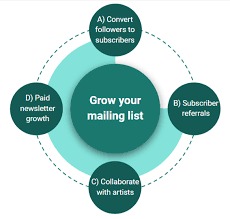
Collaborate with other creators. Do joint webinars. Host an Instagram Live together.
Interview each other for your podcasts. These partnerships expose you to new people. They can lead to many new subscribers.
Always make sure the collaboration feels natural. Offer value to both audiences.
Collaboration Ideas
- Joint Webinar: Host a live training session together.
- Podcast Swap: Appear on each other’s shows.
- Guest Post Exchange: Write for each other’s blogs.
- Social Media Takeover: Let someone manage your account for a day.
- Bundle Offer: Combine your lead magnets into one package.
Online Communities and Forums
Many niches have active online communities. These can be Facebook groups, Reddit subreddits, or specialized forums.
Be a helpful member first. Answer questions. Share your expertise.
Don’t just drop links to your signup page. Build rapport. Once people see you as a trusted source, they will be more receptive.
Check the group rules. Some allow a link in your profile. Others might allow occasional promotional posts.
Always follow the rules.
Paid Advertising
If you have a budget, paid ads can accelerate growth. Platforms like Facebook, Instagram, Google, and Pinterest allow you to run ads.
You can create ads that directly promote your lead magnet. Target specific demographics and interests. This ensures your ads are seen by the right people.
Start small. Test different ad creatives and targeting options. Track your results carefully.
See which ads bring in the most subscribers for the lowest cost.
Optimizing Your Signup Forms
Even with a great lead magnet, a poorly designed signup form can hurt conversions. Small tweaks can make a big difference.
Keep Forms Simple
What’s the minimum information you need? Usually, it’s just an email address. Asking for a first name can help personalize emails later.
But anything more might scare people away.
Each extra field increases friction. It takes more time to fill out. This means fewer people will complete the form.
Use Clear and Concise Language
The button text should be action-oriented. Words like “Download Now,” “Get My Free Guide,” or “Subscribe” are good.
Add a short sentence above or below the form. It should reinforce the benefit of signing up. For example, “Enter your email to receive our weekly tips.”
Form Field Best Practices
- Email Address: Always required.
- First Name: Optional, for personalization.
- Company Name: Only if B2B and essential.
- Phone Number: Rarely needed for newsletters.
Rule: Ask for only what you truly need.
Test Different Placements
Where you put your forms matters. We’ve discussed some common spots. But test them out!
Try a form embedded directly within a blog post. See how that compares to a sidebar widget. Experiment with a full-page signup form on a dedicated URL.
A/B testing is your friend here. Most email marketing services offer this feature. It lets you show different versions of your form to different visitors.
Then you can see which performs better.
Nurturing Your New Subscribers
Getting someone to subscribe is just the first step. The real work begins now. You need to build a relationship.
Welcome Emails Are Crucial
Your welcome email is often the most opened email you’ll send. Use it wisely.
Your welcome email should:
- Deliver the promised lead magnet immediately.
- Thank them for subscribing.
- Reiterate what they can expect from your emails.
- Set expectations for frequency and content.
- Perhaps include a question to encourage a reply.
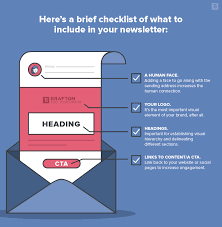
- Link to your most popular content.
This first impression is vital. Make it a good one.
Welcome Email Checklist
- Subject Line: Clear and exciting.
- Delivery: Instant and error-free.
- Personalization: Use their name if you have it.
- Brand Voice: Be consistent.
- Call to Action: What should they do next?
Consistent and Valuable Content
Once they’re on your list, keep sending them great stuff. Don’t just promote. Educate, entertain, and inspire.
Send regular newsletters. Share new blog posts. Offer exclusive tips.
Tell stories. Ask questions.
The goal is to keep them engaged. You want them to look forward to your emails. If your emails are always salesy or boring, they will unsubscribe.
Segmentation for Relevance
As your list grows, you’ll notice different groups of people. Some are interested in one topic. Others in another.
Segmentation is dividing your list into smaller groups.
For example, you might segment based on:
- Interests (e.g., people who downloaded a specific lead magnet).
- Past behavior (e.g., people who clicked a certain link).
- Demographics (e.g., location, job title).
Sending targeted emails to segments is much more effective. It feels more personal. And your open and click-through rates will be higher.
Measuring Your Success
How do you know if your efforts are working? You need to track your results.
Key Metrics to Watch
Subscriber Growth Rate: How fast is your list growing? Calculate this over a week, month, or quarter.
Conversion Rate: What percentage of your website visitors sign up? This tells you how effective your forms and offers are.
Open Rate: What percentage of people open your emails? This indicates how compelling your subject lines are.
Click-Through Rate (CTR): What percentage of people click on links in your emails? This shows how interesting your content is.
Unsubscribe Rate: How many people are leaving your list? A low rate is good. A high rate signals a problem.
Quick Growth Check
Focus on these three initially:
- Subscriber Count: Are you gaining?
- Website Conversion Rate: Are your forms working?
- Welcome Email Open Rate: Are people engaging from day one?
Using Analytics Tools
Your email marketing service will provide most of this data. You can also use Google Analytics.
Google Analytics can show you where your traffic comes from. It can track which pages users visit. You can even set up goal tracking for form submissions.
Regularly review your metrics. What’s working? What’s not?
Use this data to refine your strategies.
Common Mistakes to Avoid
Even with the best intentions, it’s easy to stumble. Here are some common pitfalls.
Not Offering Enough Value
People are busy. They won’t give you their email unless there’s a clear, compelling reason. Your lead magnet must solve a real problem or offer a significant benefit.
Making It Hard to Sign Up
Too many form fields. Confusing buttons. Hidden signup forms.
These all create barriers. Keep the process as smooth as possible.
Infrequent or Irrelevant Emails
Once someone subscribes, they expect to hear from you. But not too often, and not about things they don’t care about. Stay consistent.
Stay relevant.
Ignoring Mobile Users
A huge portion of web traffic is mobile. Your forms and signup pages must look and work perfectly on smartphones and tablets.
Only Selling, Never Serving
Your list is for building relationships. If every email is a sales pitch, people will tune out. Provide value first.
Sales will follow.
Your Email List Growth Roadmap
Growing your email list is an ongoing process. It requires patience and consistency. But the rewards are immense.
Start by understanding your audience. Create a valuable lead magnet. Make your website a welcoming place for sign-ups.
Promote your list everywhere you can. And always, always focus on providing value.
Don’t get discouraged by slow initial growth. Every subscriber is a win. Keep refining your approach.
Listen to your audience. And you’ll see your list grow.
It’s about building connections. One email at a time. The journey is rewarding.
And the results speak for themselves.
Frequently Asked Questions
What is the best way to get email subscribers?
The best way is to offer a valuable lead magnet. This is a free resource people get for signing up. It must solve a problem or offer a clear benefit relevant to your audience.
How often should I email my list?
This depends on your audience and content. Many send weekly newsletters. Others send daily or monthly.
The key is consistency. And providing value in every email. Ask your subscribers what they prefer.
What should I put in my welcome email?
Your welcome email should deliver your promised lead magnet instantly. Thank them for joining. Tell them what to expect from your emails.
And set clear expectations for content and frequency.
Is it okay to buy an email list?
No, it is not okay to buy an email list. This violates privacy laws like GDPR and CAN-SPAM. It also results in low engagement, high bounce rates, and can harm your sender reputation.
How can I make my signup form more appealing?
Keep your signup forms simple, asking for minimal information. Use clear, action-oriented language for your call to action. Ensure the form is mobile-friendly and visually matches your brand.
What is a good conversion rate for an email signup form?
A good conversion rate varies widely. For a general website popup, 2-5% is often considered average. For targeted popups with strong lead magnets, rates can be 10% or higher.
For dedicated landing pages, rates can be even better.
How do I get people to open my emails?
To get people to open your emails, write compelling subject lines. Make them clear, concise, and intriguing. Personalize them when possible.
And ensure your emails consistently deliver on the promise made during signup.
Conclusion
Growing your email list is a marathon, not a sprint. It’s about building genuine connections. Focus on providing immense value.
Make your offers irresistible. And always put your audience first. Your list is a powerful tool for communication.
Treat it with care. It will serve you well.