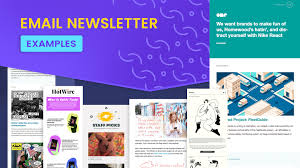
Have you ever scrolled through your inbox and stopped dead? Not because of a sale, but because an email just looked amazing? It had great pictures, said something interesting, and you actually wanted to read it.
Maybe you even clicked through to see more. That feeling is exactly what we’re diving into. We’re talking about newsletters that don’t just land in your inbox, but actually live there.
They get opened. They get read. They get remembered.
If you’re looking to create emails that do the same, you’re in the right place. We’ll explore what makes a newsletter truly stand out. You’ll see how to grab attention, keep readers hooked, and build a real connection.
Get ready to find some serious inspiration.
The best newsletter examples are those that blend compelling content with smart design. They respect the reader’s time and offer genuine value. This leads to higher open rates, increased engagement, and stronger customer loyalty. They are a vital tool for building community and driving business goals.
What Makes a Newsletter Stand Out?
So, what’s the magic sauce? Why do some newsletters get the VIP treatment in our inboxes while others are instantly archived? It’s a mix of things.
Think of it like a great conversation. It has to be interesting, easy to follow, and feel like it’s just for you.
A great newsletter isn’t just about selling something. It’s about sharing something. It could be news, tips, stories, or even just a friendly check-in.
The key is that it feels helpful or entertaining. It respects the person opening it. They know their time is valuable.
We also look at how it’s put together. Is it easy on the eyes? Can you find what you’re looking for quickly?
Does it look good on your phone? These details matter a lot. They show that thought and care went into it.
This builds trust and makes people want to come back for more.
Many people think a newsletter is just for big companies. But that’s not true. Small businesses, artists, writers, and even individuals can create amazing newsletters.
It’s a direct way to talk to people who already like what you do. It’s about building a loyal following.
What we’ll cover here are the core elements you see in the best newsletter examples. We’ll break down why they work. We’ll look at the design choices.
We’ll talk about the writing style. And we’ll even share some real examples to show you what I mean. By the end, you’ll have a much clearer picture of how to make your own newsletter shine.
Core Elements of a Great Newsletter
Clear Purpose: Every email should have a reason. What do you want the reader to do or know?
Valuable Content: Offer something useful or interesting. This is the main draw.
Engaging Subject Line: It needs to make people want to open the email.
Readable Design: Easy to scan and pleasant to look at.
Strong Call to Action (CTA): Tell people what to do next, clearly.
Brand Consistency: It should feel like it comes from your brand.
My Own Inbox Struggles
I remember a time when my inbox was a war zone. It was stuffed. I felt overwhelmed just looking at it.
So many emails were just… noise. They were all about getting my attention, but none of them felt like they were talking to me.
I used to work with a small coffee shop owner. She was amazing at making coffee. Her shop was always buzzing.
But her emails? They were a disaster. She’d send out long blocks of text.
There were no pictures. The subject lines were boring. Most people just ignored them.
It was frustrating because I knew she had great stuff to share. I saw how happy her customers were in the shop. But the emails just didn’t connect.
It felt like a missed opportunity for her.
One day, I decided to help her. We sat down and looked at her current emails. We talked about her customers.
What did they like about the shop? What were their daily routines? We realized her emails needed to be quick.
People were grabbing coffee on their way to work. They didn’t have time for a novel. They needed to know about daily specials or new pastries fast.
And they wanted to see them!
We started with the subject lines. Instead of “Newsletter,” we tried things like “Morning Treat Alert!” or “Your Daily Coffee Fix is Here.” We added one or two great photos of their best-selling items. We made the text shorter.
We used bullet points for any news. And we added a clear, simple button that said “See Today’s Specials.”
The change was almost instant. Her open rates went up. People started replying.
Some customers even mentioned the email when they came in. “I saw that amazing croissant picture!” they’d say. It showed me how much difference a little bit of thought and focus can make.
It’s not about being fancy. It’s about being clear and valuable to the person on the other end.
The Art of the Subject Line
Let’s talk about the gatekeeper: the subject line. This is the first thing people see. It has to work hard.
It needs to grab attention without being annoying. It should hint at the good stuff inside. It needs to make someone choose your email over all the others.
Good subject lines do a few things. They are often short and sweet. They create curiosity.
They might hint at a benefit. Or they might use a bit of urgency. Personalization can also work wonders.
Adding a name or referencing something they like makes it feel special.
Think about what you open. Do you open emails that say “SALE!” or ones that say “Your Weekend Reading List is Here”? The second one feels more like a gift.
It promises something you might enjoy. It’s not demanding. It’s inviting.
Humor can be great too, if it fits your brand. A well-placed emoji can also help it stand out. But use them wisely.
Too many can look spammy. The goal is to be intriguing and honest. Don’t promise something you don’t deliver.
Many of the best newsletter examples have subject lines that are a mini-story or a question. They make you think, “Oh, I need to know this!” or “That sounds fun!” It’s an art, and it takes practice. Testing different lines is key to finding what works for your audience.
Subject Line Quick Tips
- Keep it Short: Aim for 5-7 words.
- Be Clear: What’s inside?
- Create Curiosity: Make them want to know more.
- Use Numbers: “5 Ways to.” is often effective.
- Personalize: Add a name if possible.
- Evoke Emotion: Happy, helpful, or exciting.
- Avoid Spam Triggers: No excessive caps or exclamation points.
Content That Connects
Once they open the email, the content has to deliver. This is where you build a relationship. It’s not just about pushing products.
It’s about sharing value. What can you offer that your readers will appreciate?
This value can come in many forms. It could be tips and tricks related to your industry. It might be behind-the-scenes glimpses into your business.
It could be inspiring stories. Or it could be curated links to interesting articles.
The tone of your writing is also super important. Does it sound like a robot, or does it sound like a person? For most brands, a friendly, conversational tone works best.
It feels more genuine. It makes people feel more comfortable with your brand.
Think about your audience. Who are they? What do they care about?
What are their problems? How can your newsletter help them? When you answer these questions, your content will naturally become more relevant and engaging.
This is how you turn subscribers into fans.
For example, a gardening company might share tips on when to plant certain flowers. A book store might recommend new releases and author interviews. A software company might share helpful tips on how to use their product more effectively.
All of these are valuable. They show expertise and a desire to help.
The best newsletter examples often feature a mix of content. They might have a main article, a few quick tips, and a mention of a new product or service. This variety keeps things interesting.
It caters to different reading preferences within your audience.
Remember that consistency is key. If you promise value, deliver it every time. Readers learn to expect certain things from your newsletter.
When you meet those expectations, you build loyalty. They know they can count on you for good information.
Design Matters: Making it Easy and Appealing
A beautiful design isn’t just about looking good. It’s about making the email easy to read and understand. Cluttered, hard-to-read emails get deleted quickly.
Good design guides the reader’s eye. It highlights the important parts.
This starts with a clean layout. White space is your friend! It gives your content room to breathe.
It prevents the email from looking too busy. Short paragraphs are also essential. Long blocks of text are intimidating.
Using headings and subheadings helps break up the text. This makes it easy to scan. Readers can quickly see what topics are covered.
Bullet points and numbered lists are great for presenting information concisely. Images and graphics should be used to enhance the message, not just to decorate.
Make sure your images are relevant and high quality. They should load quickly. Alt text for images is important too.
This is what people see if the image doesn’t load. It also helps screen readers for accessibility.
Branding is also part of design. Using your brand’s colors, fonts, and logo consistently helps reinforce your identity. This makes your emails instantly recognizable.
It builds a professional image.
Responsiveness is critical today. Most people check their email on their phones. Your newsletter needs to look good and function well on any screen size.
This means using a responsive email template. This ensures a good experience for everyone.
When I look at the best newsletter examples, I notice they pay attention to these details. The text is easy to read on a phone. The buttons are big enough to tap.
The images are clear. It feels like a lot of thought went into making it a pleasant experience.
Design Checklist for Readability
- White Space: Use it generously.
- Short Paragraphs: 2-3 sentences maximum.
- Clear Headings: Break up content.
- Scannable Text: Use bullet points and bold text.
- High-Quality Images: Relevant and optimized.
- Brand Consistency: Colors, fonts, logo.
- Mobile-Friendly: Responsive design is a must.
- Clear Call to Action: Easy to find and tap.
Call to Action (CTA): Guiding Your Readers
What do you want your reader to do after they read your newsletter? Visit your website? Make a purchase?
Sign up for an event? Whatever it is, you need to tell them clearly. This is the job of the Call to Action, or CTA.
A good CTA is like a friendly nudge. It’s not bossy. It’s helpful.
It tells people the next step in a simple way. Words like “Learn More,” “Shop Now,” “Read the Full Story,” or “Sign Up Today” are common.
The CTA should stand out visually. Often, this means using a button. Buttons are easy to see and tap on mobile devices.
The color of the button should contrast with the background. This makes it pop.
Place your CTA strategically. It should appear after you’ve provided value and built interest. Sometimes, one main CTA is enough.
Other times, you might have a primary CTA and a secondary one. Don’t overload readers with too many choices.
The language you use for your CTA matters. Make it active and benefit-oriented. Instead of just “Click Here,” try something like “Get Your Free Guide” or “Discover Your Next Favorite Book.” This tells people what they’ll get.
The best newsletter examples make their CTAs irresistible. They are clear, well-placed, and visually appealing. They are the bridge between your content and the action you want your reader to take.
Without a clear CTA, your great content might not lead to any results.
Building Community with Email
Newsletters aren’t just marketing tools. They are powerful ways to build a community. They create a direct line of communication with people who are already interested in what you do.
This is incredibly valuable.
When you share your story, your values, and your expertise, you connect with people on a deeper level. They start to see you as more than just a company. They see you as a person or a team they can trust and relate to.
This fosters loyalty.
Encouraging replies to your emails is another great way to build community. Ask questions. Invite feedback.
When people feel heard, they become more invested. This can lead to user-generated content, testimonials, and brand advocacy.
Some of the best newsletter examples feel like a personal note from a friend. They might share personal anecdotes, challenges, or even lessons learned. This vulnerability makes the brand more human.
It makes people feel more connected.
Think about the newsletters that you love. They probably make you feel something. They might make you laugh, learn something new, or feel inspired.
They create a sense of belonging. This is the power of community building through email.
It takes time and effort to build a strong community. But it’s worth it. A loyal community will support you through thick and thin.
They become your biggest fans and advocates. Email is a fantastic channel to nurture these relationships.
Community Building Strategies
Ask Questions: Encourage replies and feedback.
Share Your Story: Be authentic and relatable.
Highlight Your Audience: Feature customer stories or testimonials.
Run Contests/Giveaways: Engage subscribers actively.
Create Exclusive Content: Make subscribers feel special.
Respond to Emails: Show you’re listening.
Examples of the Best Newsletters
It’s always helpful to see real-world examples. These companies and creators are doing a fantastic job. They offer different styles and approaches, but all have key elements that make them successful.
Morning Brew: This is a fantastic example of delivering complex information in a simple, engaging way. They cover business and finance news. Their tone is witty and casual.
They use humor and relatable analogies. Their subject lines are often catchy. They manage to make finance news fun to read.
Their design is clean and easy to scan, perfect for a quick morning read.
The Hustle: Similar to Morning Brew, The Hustle focuses on business news. They use a very direct, punchy writing style. They get straight to the point.
Their content is often broken down into digestible chunks. They use bold text and bullet points effectively. They also know how to create a sense of urgency and exclusivity around their content.
Their goal is to inform busy professionals quickly.
Ann Handley’s Total Annarchy: Ann Handley is a leader in content marketing. Her newsletter is a masterclass in engaging writing and valuable insights. She shares thoughts on writing, marketing, and creativity.
Her tone is knowledgeable but also very personal and approachable. She doesn’t shy away from being opinionated. Her emails are a great mix of advice, observations, and encouragement.
It feels like a direct conversation with a wise friend.
UX Booth: For those interested in user experience, UX Booth offers a more in-depth look. Their newsletters often feature articles, interviews, and resources related to UX design. They maintain a professional yet accessible tone.
The design is clean and supports detailed information. They focus on providing actionable advice for designers and researchers. It’s a trusted source for their niche audience.
Food52: This is a great example of a community-driven newsletter. Food52 is all about food, cooking, and home. Their newsletters are filled with recipes, cooking tips, product recommendations, and community stories.
They use beautiful photography. Their content is inspiring and practical. They also promote user-generated content.
They make you feel like you’re part of a passionate cooking community.
These best newsletter examples show that there’s no single formula. But they all share a commitment to providing value, understanding their audience, and presenting information in an accessible way. They are consistent and reliable.
They build trust over time.
Key Takeaways from Top Newsletters
Focus on Value: Always ask, “What’s in it for the reader?”
Know Your Audience: Tailor content and tone to their needs and interests.
Be Consistent: Deliver value on a regular schedule.
Engage with Personality: Let your brand’s voice shine through.
Design for Readability: Make it easy to consume on any device.
Clear Calls to Action: Guide readers to the next step.
Real-World Scenarios and Applications
Let’s put this into practice. Imagine you run a small bakery. You want to send out a weekly newsletter.
What would it look like?
Your subject line could be: “Freshly Baked This Week! 🥐” or “Your Weekend Sweet Treat Guide.” Inside, you might feature your new seasonal pastry with a mouth-watering photo. You could include a quick tip, like how to keep bread fresh.
Maybe a short note about a local event you’re attending. And a clear button: “Order Online Now.”
Or, consider a freelance graphic designer. They might send out a monthly newsletter with design tips. The subject line: “Design Insights: Font Pairings That Work.” The content could include a few common font mistakes to avoid.
A showcase of their latest project with a brief explanation. And perhaps a link to a free resource, like a color palette guide. The CTA could be: “Book a Design Consultation.”
These are just two simple examples. The principles apply across industries. The core idea is to be useful and interesting to your specific audience.
What problems can you solve for them? What knowledge can you share? What can you offer that they can’t easily find elsewhere?
The environment matters too. Are you sending emails to busy professionals who need quick updates? Or to hobbyists who have more time to read detailed articles?
Adjust your content and format accordingly. The more you tailor your approach to your audience’s context, the more effective your newsletter will be.
What This Means for Your Newsletter
So, what should you take away from all of this? It means your newsletter is a powerful tool. It’s more than just another marketing channel.
It’s a way to build real relationships.
When it’s done right, a newsletter can become something people look forward to. It can be a reliable source of information, inspiration, or even just a moment of pleasant distraction. This builds a loyal audience that trusts you.
It’s important to remember that not every email needs to be a masterpiece. Some can be short and sweet. The key is consistency and genuine value.
Don’t get bogged down trying to make every single email perfect. Focus on the overall experience.
When is it normal for an email to be just okay? If it’s a simple announcement with all the necessary info. Or a quick update that’s purely functional.
But if you want to build loyalty, aim higher. Aim for emails that people want to read.
When should you worry? If your open rates are consistently low. If you get a lot of unsubscribes.
If people aren’t engaging with your content. These are signs that something isn’t working. It’s time to re-evaluate your strategy.
Look at your subject lines, your content, and your design.
Simple checks: Ask a friend to read your draft. Does it make sense? Is it easy to understand?
Does it sound like you? Send a test email to yourself and open it on your phone. How does it look?
Is the CTA clear?
The goal isn’t to be the loudest voice in the inbox. It’s to be the most helpful, the most interesting, or the most valuable. Focus on serving your audience.
The results will follow.
Quick Tips for Better Newsletters
Here are some practical steps you can take right now:
- Review Your Last Few Emails: What worked? What didn’t?
- Simplify Your Language: Imagine explaining it to a friend.
- Shorten Your Sentences: Aim for one idea per sentence.
- Break Up Text: Use more short paragraphs and bullet points.
- Test Subject Lines: Try different approaches and see what gets opened.
- Add More White Space: Give your content room to breathe.
- Make Your CTA Obvious: Use a button that stands out.
- Ask for Feedback: Don’t be afraid to ask your subscribers what they want.
These small changes can make a big difference. They help make your newsletter more approachable and more effective. Remember, it’s an ongoing process.
Keep learning and refining.
Frequently Asked Questions
What is the primary goal of a newsletter?
The primary goal is to build and nurture a relationship with your audience. This can lead to brand loyalty, increased sales, and advocacy. It’s about consistent, valuable communication.
How often should I send a newsletter?
This depends on your audience and content. Weekly or bi-weekly is common. The key is consistency and providing value each time.
Don’t send just to send.
What are the most important elements of a newsletter?
Key elements include a compelling subject line, valuable and engaging content, a clean and readable design, and a clear call to action. Brand consistency also plays a big role.
Should I include images in my newsletter?
Yes, images can greatly enhance engagement. Use high-quality, relevant images that load quickly. Ensure they are optimized for mobile and include alt text.
How can I make my newsletter stand out in a crowded inbox?
Stand out with creative and clear subject lines, unique content, a strong brand voice, and a visually appealing design. Focus on providing genuine value that your audience can’t get elsewhere.
What is a good open rate for a newsletter?
Average open rates vary by industry, but generally, 20-25% is considered good. However, focusing on engagement and clicks is often more important than just opens.
How do I get more subscribers for my newsletter?
Promote your newsletter on your website, social media, and other marketing channels. Offer an incentive, like a free guide or discount, for signing up. Make it easy for people to subscribe.
Wrapping Up: Your Newsletter Journey
Creating a great newsletter is a journey, not a destination. It takes understanding your audience, offering real value, and presenting it in a way that’s easy and enjoyable to consume. The best newsletter examples are proof that with a little thought and effort, you can build something truly special.
Focus on clarity, consistency, and connection. Your readers will appreciate the effort. They’ll open your emails, read your content, and feel closer to your brand.
Keep experimenting, keep learning, and most importantly, keep providing value.